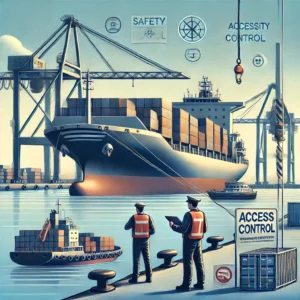
Maritime regulations are a set of rules and standards established by international, national, and regional bodies to ensure the safety, security, and environmental protection of maritime operations. These regulations govern various aspects of the shipping industry, from vessel construction and safety equipment to pollution control and crew qualifications.
Key International Maritime Regulations
Several key international conventions form the backbone of global maritime regulations. These conventions are developed by the International Maritime Organization (IMO), a specialized agency of the United Nations responsible for regulating shipping. Below are some of the most important maritime regulations:
1. SOLAS (Safety of Life at Sea)
The SOLAS Convention is one of the most important international maritime safety regulations. It was first adopted in 1914 in response to the Titanic disaster, and it has been updated multiple times since then. SOLAS sets minimum safety standards for the construction, equipment, and operation of ships to ensure that they are safe for crew and passengers. Key areas covered by SOLAS include:
- Fire safety measures
- Lifesaving equipment
- Navigation safety
- Safety management systems
2. MARPOL (Marine Pollution)
The MARPOL Convention is the main international agreement aimed at preventing pollution from ships. MARPOL sets regulations for limiting the discharge of harmful substances like oil, chemicals, and sewage into the sea. The convention consists of six annexes that deal with different types of pollution:
- Oil (Annex I)
- Noxious liquid substances (Annex II)
- Harmful substances in packaged form (Annex III)
- Sewage (Annex IV)
- Garbage (Annex V)
- Air pollution from ships (Annex VI)
3. ISM Code (International Safety Management)
The International Safety Management (ISM) Code is a mandatory set of regulations under the SOLAS Convention that requires ships and shipping companies to establish safety management systems. The ISM Code focuses on safe ship operations and pollution prevention by ensuring that companies are managing their vessels according to strict safety standards.
4. ISPS Code (International Ship and Port Facility Security)
The International Ship and Port Facility Security (ISPS) Code is a key element of global maritime security regulations. It was introduced in 2004 under the SOLAS Convention in response to growing concerns over terrorism and other security threats in the maritime industry. The ISPS Code sets out security measures for ships and port facilities to prevent unauthorized access, sabotage, and other security incidents. Key requirements include:
- Developing a ship security plan
- Conducting risk assessments
- Implementing access control measures at ports and aboard vessels
- Training for crew and port personnel on security protocols
5. STCW (Standards of Training, Certification, and Watchkeeping)
The STCW Convention sets minimum qualification standards for seafarers. It ensures that ship crews are adequately trained and competent to perform their duties safely. STCW covers areas like watchkeeping, navigation, and emergency procedures, and it requires seafarers to be certified according to international standards.
National and Regional Maritime Regulations
In addition to international conventions, national maritime regulations are set by individual countries to regulate shipping activities within their waters. These regulations often complement international standards but may also include specific requirements tailored to local maritime conditions. For example, the United States Coast Guard (USCG) enforces regulations in U.S. waters, while the European Maritime Safety Agency (EMSA) plays a key role in ensuring maritime safety in the European Union.
Importance of Compliance with Maritime Regulations
Compliance with maritime regulations is crucial for several reasons:
- Safety: Regulations like SOLAS ensure that ships are built and operated in ways that minimize risks to crew, passengers, and cargo.
- Security: The ISPS Code ensures that ships and port facilities are protected from security threats, such as terrorism or piracy.
- Environmental Protection: MARPOL and other environmental regulations are essential for reducing pollution and protecting marine ecosystems.
- Legal Requirements: Non-compliance with maritime regulations can result in severe penalties, including fines, detention of ships, and the loss of shipping licenses.
- Insurance and Liability: Ships that fail to comply with international and national regulations may find it difficult to secure insurance or face increased liability in case of accidents, pollution incidents, or security breaches.
Who Oversees Maritime Regulations?
Several organizations and authorities are responsible for enforcing maritime regulations:
- Flag States: Countries where ships are registered, known as flag states, are responsible for ensuring that their vessels comply with international and national regulations.
- Port States: Port states enforce maritime regulations when foreign vessels enter their ports, through a process known as Port State Control (PSC). This includes inspections to check for compliance with safety and environmental standards.
- Classification Societies: These organizations certify that vessels meet certain standards of design and construction, often on behalf of flag states.
Recent Developments in Maritime Regulations
The maritime industry is constantly evolving, and so are the regulations that govern it. Recent developments in maritime regulations include:
- Decarbonization: The IMO is pushing for stricter measures to reduce greenhouse gas emissions from ships, with the goal of cutting emissions by 50% by 2050.
- Ballast Water Management: New regulations under the Ballast Water Management Convention aim to reduce the spread of invasive species through ballast water discharges.
- Cybersecurity: As ships become more reliant on digital systems, new cybersecurity regulations are being introduced to protect maritime operations from cyberattacks.
Conclusion
Maritime regulations are essential for maintaining the safety, security, and environmental sustainability of global shipping. From international conventions like SOLAS and MARPOL to national laws and Port State Control, these regulations help ensure that vessels operate safely and responsibly on the world’s oceans.
The introduction of the ISPS Code highlights the increasing importance of maritime security in today’s globalized world. Understanding and complying with these regulations is vital for all stakeholders in the maritime industry, from shipowners to seafarers, as they help protect both people and the marine environment.